Upholstery Quality in Furniture: Engineering What You Don’t See
When clients evaluate upholstered furniture, visual elements like fabric, colour, and form naturally take center stage. However, long-term performance is dictated by a far more technical layer—material engineering and process control.
At ISTO Furniture, upholstery is treated as a system where each component—from outer covering materials to internal foam chemistry—is selected with precision. We begin where most decisions start: the surface material itself.

Surface Materials: Fabric, Leather, and Leatherite
The outer upholstery layer is the first point of contact—and the first line of defense against wear, staining, and environmental exposure. Selecting the right material is critical, particularly for commercial and hospitality applications.
Fabric Upholstery
Fabric remains the most versatile option, offering a wide range of textures, colours, and price points.
Key Performance Factors:
- Abrasion Resistance: Measured in Martindale or Wyzenbeek cycles.
- Residential use: 15,000–25,000 cycles
- Commercial use: 30,000–50,000+ cycles
- Colour Fastness: Resistance to fading from light exposure and cleaning agents
- Pilling Resistance: Ability to maintain surface integrity under friction
- For outdoor applications, UV and chlorine resistance are often required
High-quality commercial fabrics used by ISTO Furniture are selected with proven abrasion ratings and tested colour stability to ensure longevity in high-traffic environments.
Genuine Leather
Leather is a premium material known for durability and natural aesthetics.
Advantages:
- High Abrasion Resistance: Develops patina instead of surface wear
- Breathability: Enhances seating comfort
- Longevity: Can outperform most fabrics when properly maintained
Considerations:
- Colour Fastness: Depends on tanning and finishing process
- Sensitivity to Chemicals: Requires controlled cleaning methods
- Natural Variations: Each hide behaves differently
For hospitality and executive applications, ISTO Furniture sources treated leathers with enhanced surface protection and consistent finishing.
Leatherite (Synthetic Leather / PU / PVC)
Leatherite offers a cost-effective and highly controlled alternative to genuine leather.
Advantages:
- Uniform Finish: No natural inconsistencies
- High Stain Resistance: Easy to clean and maintain
- Customizable Properties: Engineered for specific performance needs
Performance Factors:
- Abrasion Resistance: Can exceed fabric when specified correctly
- Colour Fastness: Typically superior due to controlled pigmentation
- Crack Resistance: Depends on base composition and coating quality
High-grade leatherite used by ISTO Furniture is specified for flexibility, hydrolysis resistance, and long-term durability—particularly important in humid conditions.
Working closely with leading leatherite suppliers, we are able to provide custom-made shades with tailored surface properties to our clients. 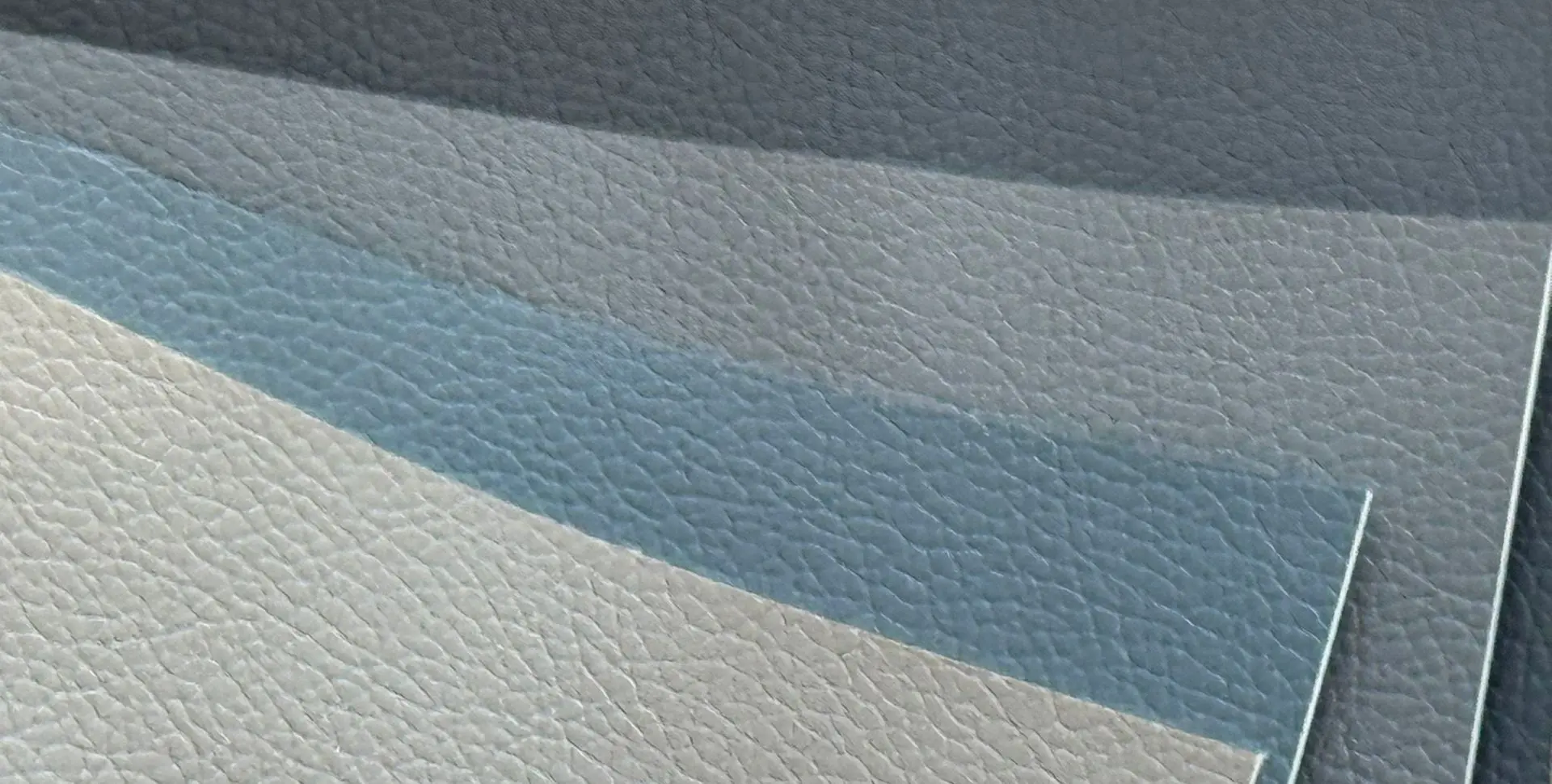
Fire Retardancy: A Critical Requirement for Commercial Projects
For hospitality, corporate, and public spaces, upholstery must comply with fire safety standards.
Common certifications include:
- BS 5852 (UK Standard): Evaluates ignition resistance of upholstered furniture
- CAL 117 (California Standard): Focuses on smolder resistance
- EN 1021 (European Standard): Tests resistance to cigarette and match ignition
At ISTO Furniture, material selection is aligned with project-specific compliance requirements. Fire-retardant (FR) fabrics, foams, and interliners are specified as a system—not as isolated components—to ensure full assembly compliance.
Sewing Thread: A Structural Component, Not an Accessory
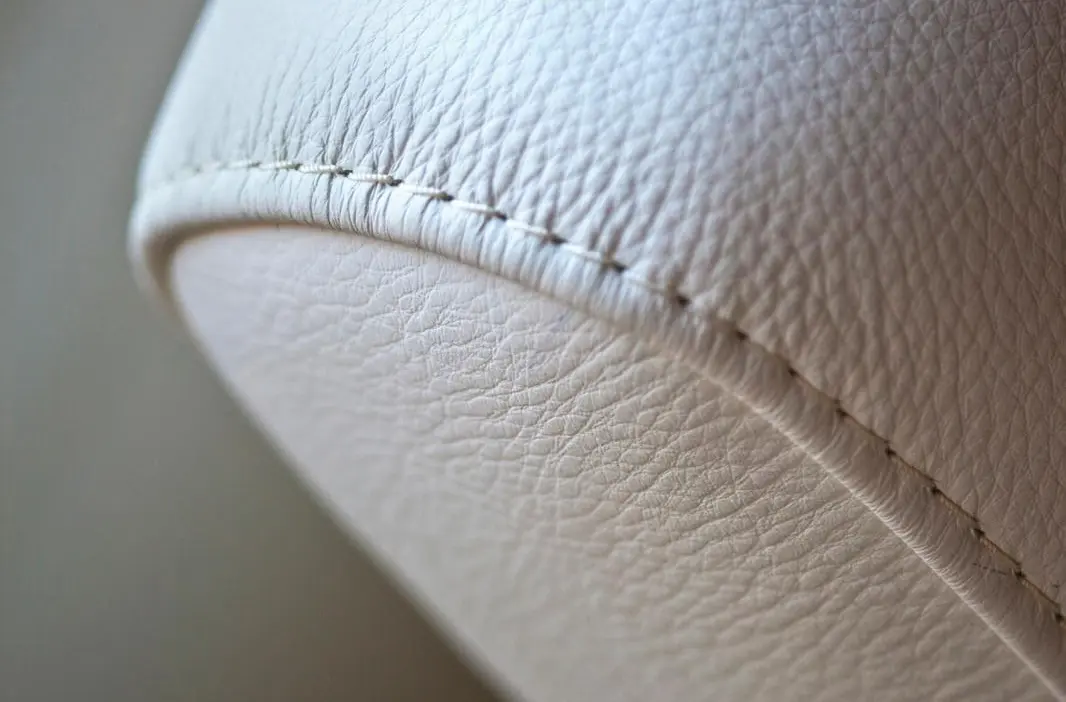
In upholstery manufacturing, sewing thread is not just a consumable—it is a load-bearing element. Every seam in a sofa or chair is subjected to cyclic stress, shear forces, and abrasion. Selecting the wrong thread can lead to seam slippage, breakage, or long-term degradation.
Why ISTO Furniture Uses Coats and A&E Threads
ISTO Furniture standardizes on globally recognized thread manufacturers such as Coats and A&E (American & Efird) for a reason:
- Consistent Yarn Quality: Uniform filament structure ensures predictable performance across batches
- High Tenacity: Maintains tensile strength under repetitive loading
- Controlled Lubrication: Reduces friction and heat during stitching
- Proven Colour Fastness: Prevents dye migration into fabrics
Filament vs Spun Threads: A Critical Distinction
Filament Threads (Preferred at ISTO Furniture)
Made from continuous polyester or nylon fibers:
- Higher tensile strength
- Superior abrasion resistance
- Low surface hairiness → reduced friction and lint
- Consistent stitch quality
Spun Threads (Less Suitable yet used by many)
Made from short staple fibers:
- Lower strength due to fiber discontinuity
- Higher abrasion and lint generation
- Greater variability in performance
Polyester vs Nylon Filament
- Polyester: UV stable, low elongation, ideal for most upholstery
- Nylon: Higher elasticity and strength, used for high-stress areas
ISTO Furniture predominantly uses polyester filament threads for balanced performance.
Sewing Needles: Precision Tools for Consistent Output
Why Groz-Beckert Needles Are Used
ISTO Furniture uses Groz-Beckert needles due to:
- Precise dimensional control
- Optimized geometry for clean penetration
- High wear resistance
- Reduced heat buildup
This ensures consistent stitch formation across dense upholstery assemblies.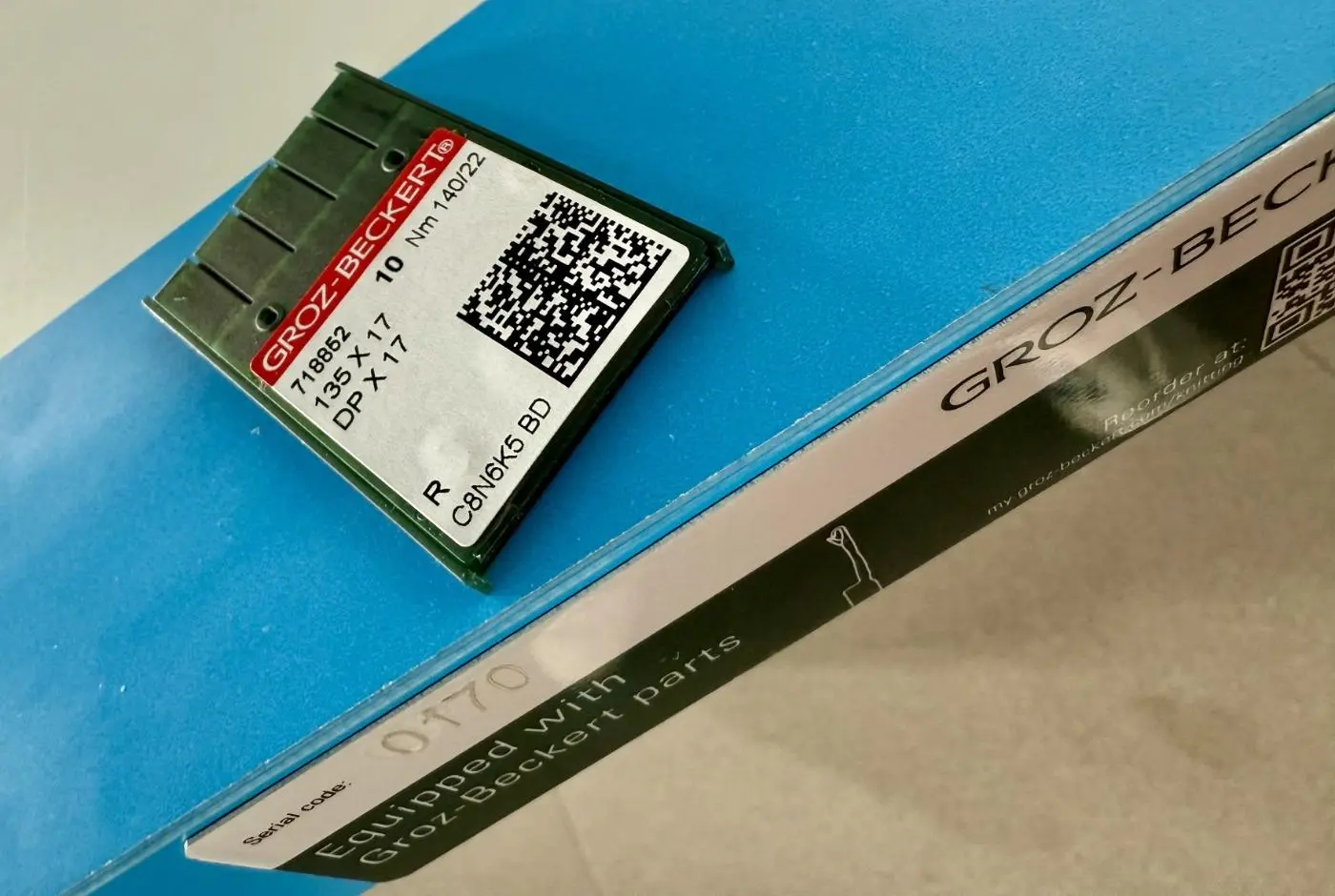
Needle Lubrication: A Hidden but Critical Factor
High-speed stitching generates heat, making lubrication essential.
ISTO Furniture’s Needle Oil Specifications
- Low viscosity for smooth operation
- Non-staining on light fabrics
- Chemically inert with foam, adhesives, and fabrics
- Resistant to detergents and solvent-based cleaners
This prevents oil marks, discoloration, and post-installation failures.
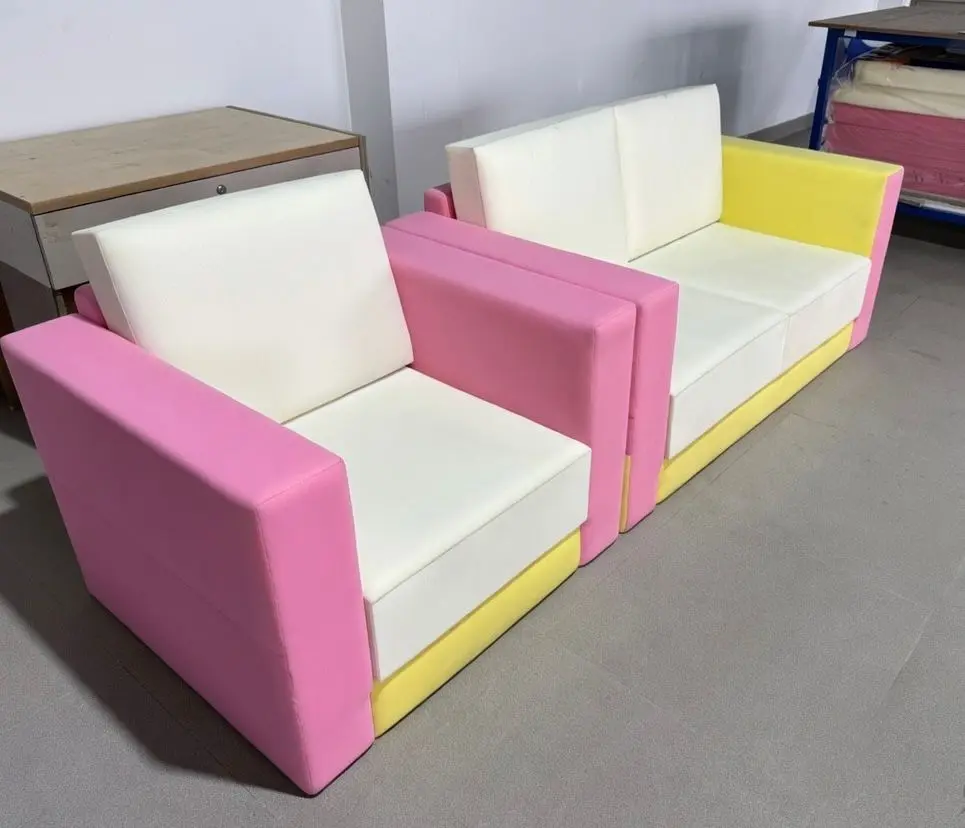
Upholstery Foam: Engineering Comfort and Durability: Multi-Layer Foam Construction
- Soft top layer for comfort
- Transition layer for load distribution
- Firm base for support
This prevents sagging and improves longevity.
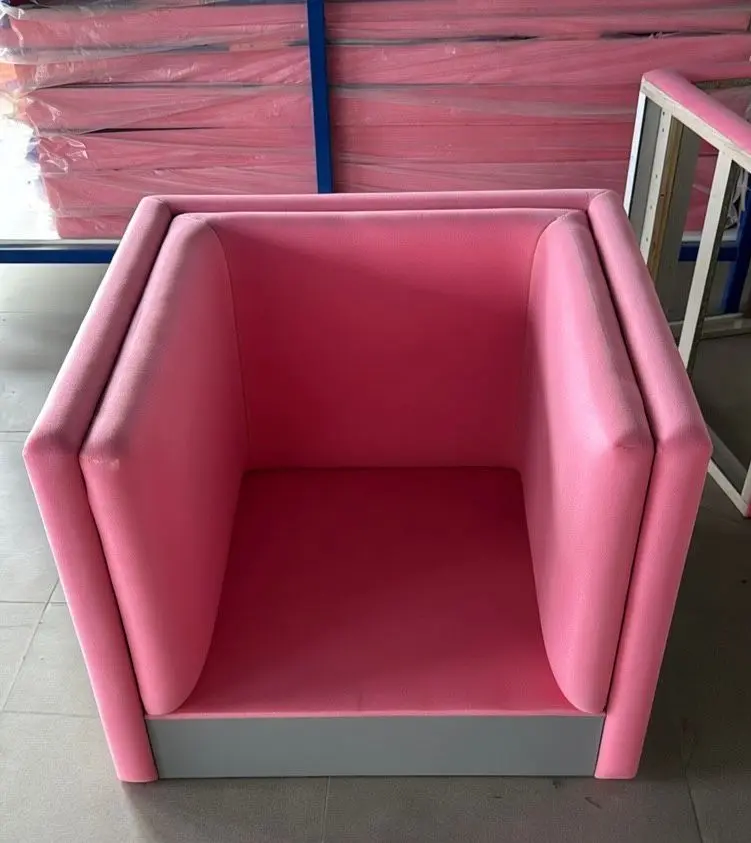
Foam Stability Testing
ISTO Furniture tests so that you don't have to worry
A common concern from clients, especially when ordering upholstered furniture in bright shades, is that the colourful foam at the core of the furniture leaves stains or discolouration when being used or cleaned.
Therefore, ISTO Furniture certifies any new foam material internally before usage. We therefore conduct two standardized tests to assure foam colour integrity:
Hot Water + Detergent Test
- Simulates cleaning conditions
- Checks colour bleeding and degradation
Solvent-Based Thinner Test
- Evaluates chemical resistance
- Ensures compatibility with adhesives and cleaning agents
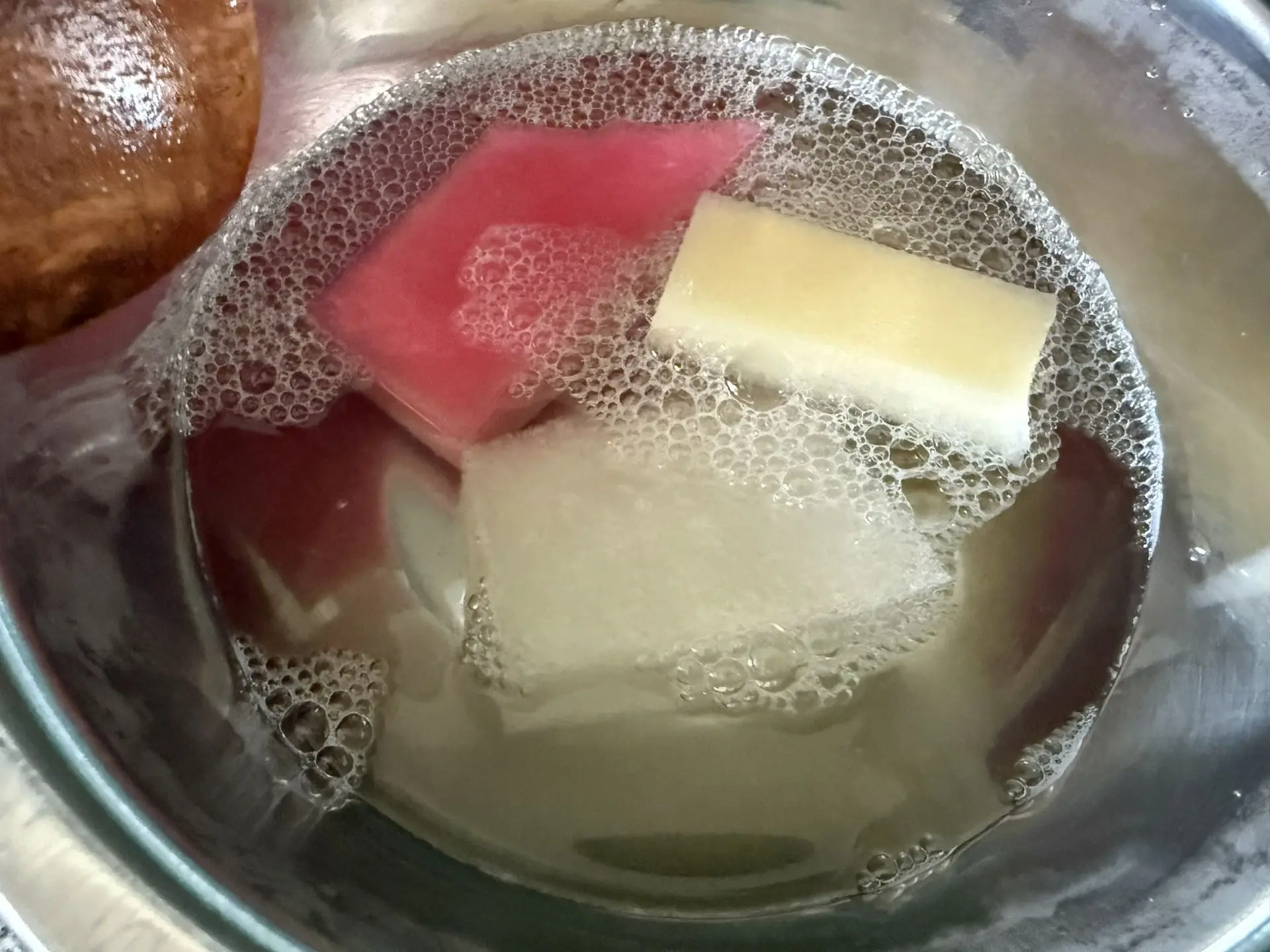
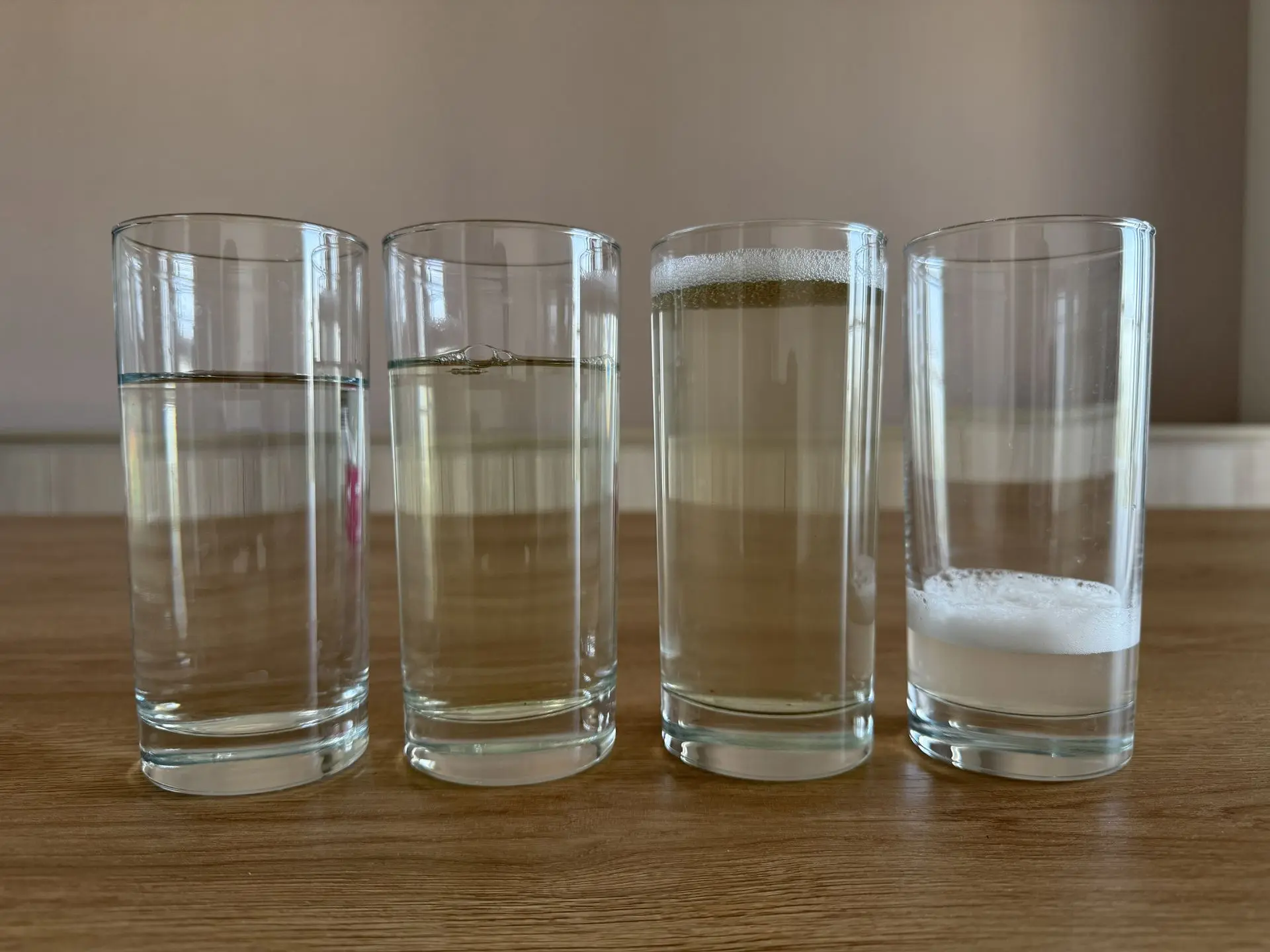 Foam soaking test results left to right: Clear water, Water with detergent, Water with detergent after 10min soaking, Water with solvent based thinner after 10min soaking.
What This Means for Clients
- Durable seams and structure
- Long-lasting comfort
- No hidden discoloration issues
- Reliable performance in demanding environments
Even in custom furniture, ISTO Furniture maintains these standards without significant cost escalation—supported by dependable after-sales service.
Conclusion
Upholstery quality is engineered through a combination of material science and process control. From certified surface materials and high-performance threads to precision tools and rigorously tested foam systems, every detail contributes to the final outcome.
At ISTO Furniture, these are baseline standards—because what lies beneath the surface defines how furniture performs over time.